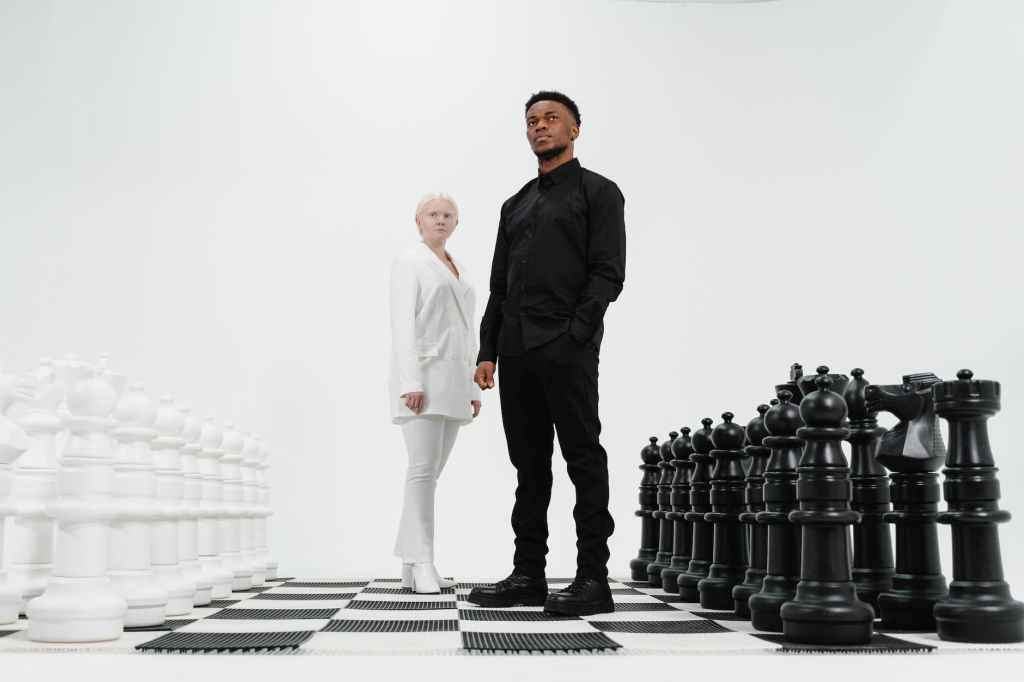

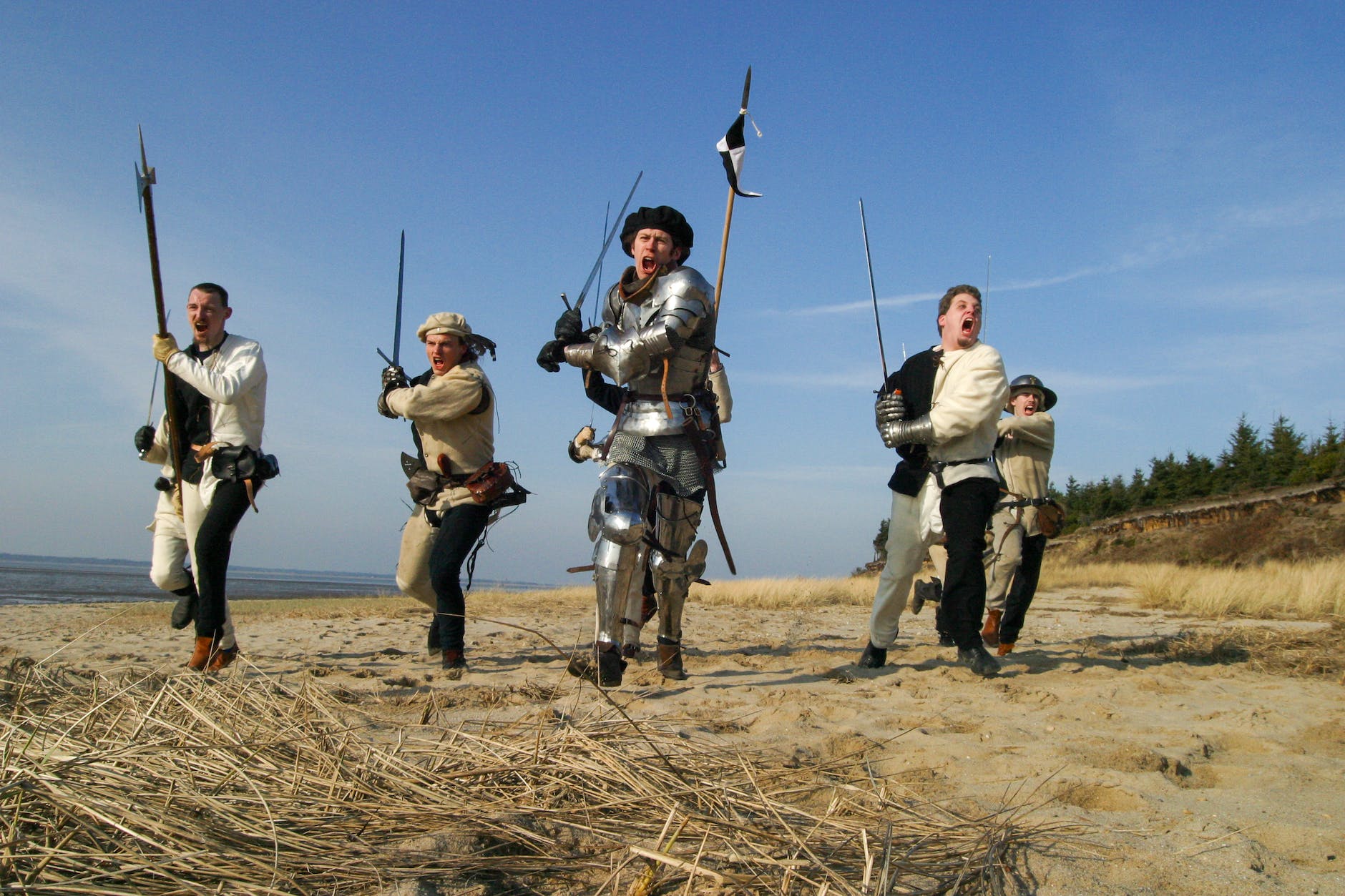
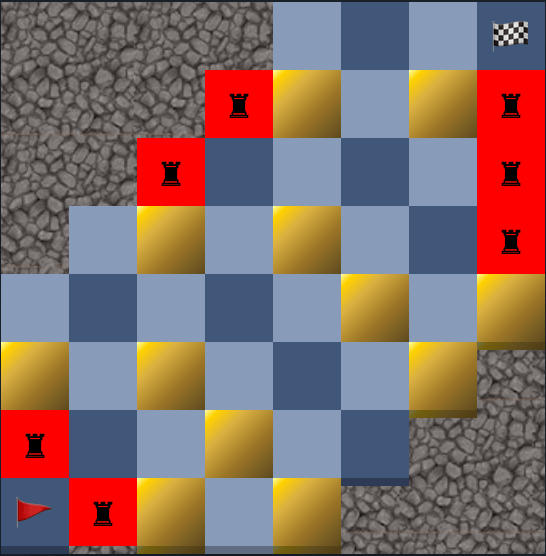
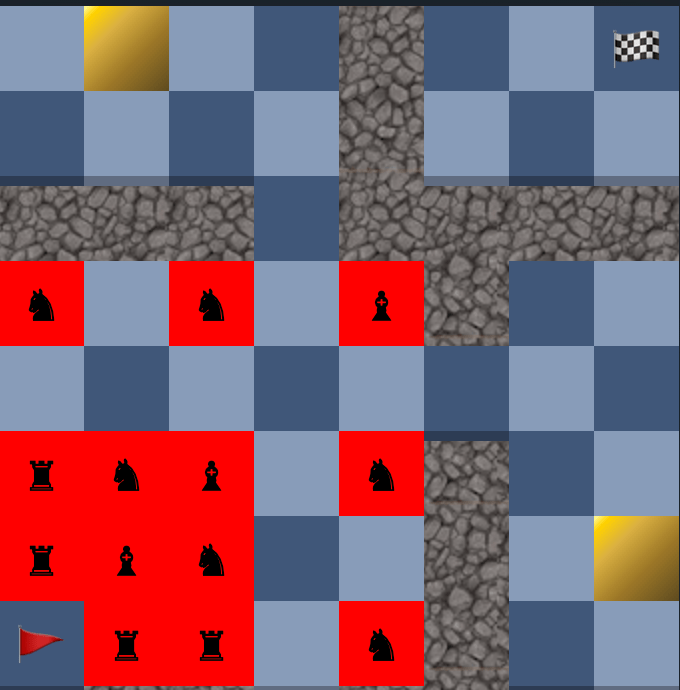
Traditional tabletop role-playing games (TTRPGs) are a playground of creativity, offering a stack of possibilities for storytelling, character development, and world-building. I’ve been looking at a bunch of options for a slightly less traditional approach to a TTRPG recently. In this non traditional space, you can blend various elements from different types of games to create something novel and thought-provoking. An intriguing concept arises when you consider merging the strategic complexity of chess with the narrative richness of TTRPGs. This is what I have experimented with in the TTRPG I am currently writing called MazeChess. This fusion allows us to view the familiar chess pieces for example– the Rook, King, Bishop, and Knight – in a new light, representing the iconic TTRPG classes: Fighter, Bard, Cleric, and Thief, respectively.
What is interesting here is the idea of applying the distinctive movements of chess pieces to the character classes in TTRPGs. This is one of my main aims of MazeChess and adding chess potentially adds a layer of strategic depth and challenge to one aspect of TTRPGs:movement. With this movement system characters are bound by specific movement patterns akin to their chess counterparts. It’s a study in constraint: how do limitations in movement spur creativity and strategic thinking? How do these restrictions mirror the strengths and weaknesses inherent in each TTRPG class? How do these restrictions apply to social environments?

For instance, the linear yet powerful movements of the Rook can reflect the straightforward combat style of the Fighter, while the diagonal movements of the Bishop might symbolize the Cleric’s ability to navigate the complex terrain of faith and healing. Similarly, the King’s limited yet crucial moves could represent the strategic importance and versatility of the Bard, and the Knight’s unique L-shaped movements could illustrate the agility and cunning of the Thief.
This conceptual crossover is not about high fantasy or grandiose battles; rather, it’s an exploration of how the limitations and strengths of chess pieces can enrich character portrayal and gameplay in TTRPGs. By making movement a significant part of the game it encourages players to think more critically about their characters’ movements and actions within the narrative framework, adding a strategic layer that complements the storytelling aspect of TTRPGs.
In the following posts, I will delve deeper into each chess piece and its TTRPG class counterpart, exploring the implications of their movements and how these can be creatively integrated into the role-playing experience. This is not just about playing a TTRPG, it’s about discovering new ways to engage with and think about the roles we assume in our imaginative adventures.

 #mazechess
Leave a comment